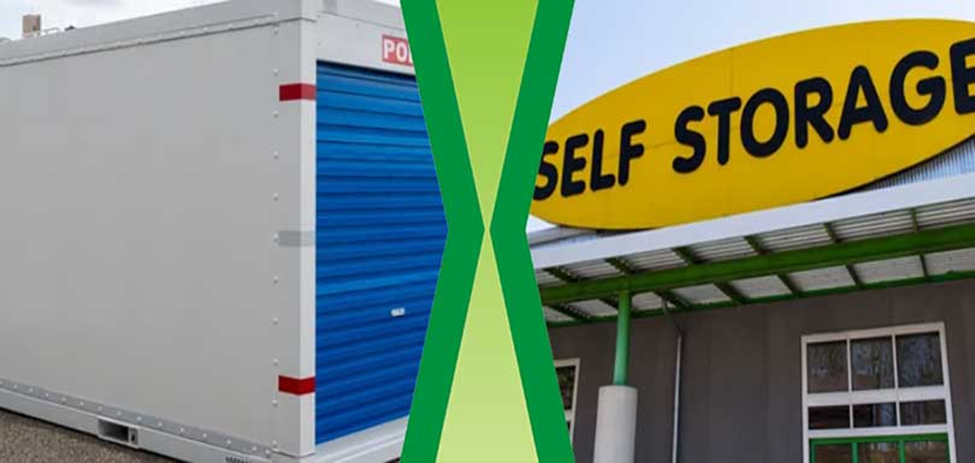
When you’re short on space—whether you're moving, renovating, or just decluttering—storage becomes essential. But once you start exploring your options, you’ll likely come across two common choices: self storage units and portable storage containers.
At first glance, they might seem similar. Both help you store your belongings off-site or temporarily. However, the way they operate, their level of convenience, cost structures, and ideal use cases can vary significantly. Understanding these differences can help you make an informed decision that best suits your needs and budget.
Let’s dive into the key differences between self storage and portable storage.
1. Location & Accessibility
Self Storage: Self storage requires you to transport your belongings to a facility, where they are kept in a secure unit. These facilities usually offer 24/7 access, gated entry, and on-site security cameras.
Portable Storage: With portable storage, a container is delivered right to your doorstep. You load it at your own pace, and then the company either stores it at their facility or transports it to another location (like your new home).
? Use self storage if you need regular access to your items; choose portable storage for convenience during moves or temporary projects.
2. Flexibility in Moving
Self Storage: Moving your items in and out requires access to a vehicle or hiring movers. You’re responsible for getting everything to and from the unit.
Portable Storage: Portable containers can be picked up and delivered to wherever you need, making them perfect for cross-town or even cross-country moves.
? Portable storage is better suited for people who want a seamless transition from point A to point B without multiple loading/unloading trips.
3. Cost Structure
Self Storage: Generally more budget-friendly for long-term storage. Costs depend on unit size, location, and whether it’s climate-controlled. Additional fees may apply for insurance or 24-hour access.
Portable Storage: Typically more expensive due to delivery, pick-up, and transportation charges. Still, it offers a high level of convenience that many find worth the extra cost.
? Expect to pay around $90–$300/month for a self storage unit, while portable storage containers can run $150–$500/month depending on distance and services included.
4. Duration of Use
Self Storage: Excellent for long-term storage. Many people use it for storing seasonal items, business inventory, or belongings during extended travel.
Portable Storage: Ideal for short-term storage, especially during moves, home remodels, or emergency situations like storm damage recovery.
? If you're planning to store for over six months, self storage might be the more economical choice.
5. Security & Protection
Self Storage: Facilities often have features like gated access, CCTV, individual unit alarms, and on-site staff. Some units are climate-controlled to protect delicate items.
Portable Storage: Security varies by provider. Containers are usually weather-resistant and lockable, but they’re left outdoors unless picked up for storage at the company’s facility.
?️ For high-value or sensitive items, self storage with climate control and advanced security might be the safer option.
6. Climate Control Options
Self Storage: Most modern facilities offer climate-controlled units to protect against humidity, mold, and temperature fluctuations—ideal for electronics, documents, and wood furniture.
Portable Storage: Few portable storage containers offer climate control, which can be a concern in regions with extreme temperatures.
?️ If you're storing items like musical instruments, antiques, or electronics, choose a climate-controlled self storage unit.
7. Loading and Unloading Effort
Self Storage: Requires a vehicle and some heavy lifting, often with the help of friends or movers. Elevators or carts may be available in multi-story facilities.
Portable Storage: Placed right on your driveway or street, making it easy to load directly from your home. No double handling required.
? If lifting and logistics are a concern, portable storage wins for ease of loading.
8. Permitting and HOA Restrictions
Self Storage: No permits required since the facility is off-site.
Portable Storage: May require a permit to place the container on the street or driveway, especially in urban areas or communities with strict HOA rules.
? Always verify local codes and HOA rules before booking a portable storage container.
Conclusion: Which One Should You Choose?
When it comes down to it, your decision should be based on your specific situation:
- ✅ Choose self storage if you need secure, long-term storage with frequent access and climate control.
- ✅ Choose portable storage if you’re moving, remodeling, or need short-term, on-site access without multiple trips.
Both self storage and portable storage offer valuable solutions—just in different ways. Understanding the unique pros and cons of each will help you choose wisely and store confidently.